How Tokenized Assets Are Changing Business Funding Options Beyond Traditional Lending
Rising borrowing costs and tighter lending standards have made access to capital more challenging for startups and small businesses. The World Bank identifies access to finance as one of the biggest obstacles to business growth, particularly for companies with limited credit history or collateral. As a result, businesses are increasingly exploring alternatives to conventional bank loans.
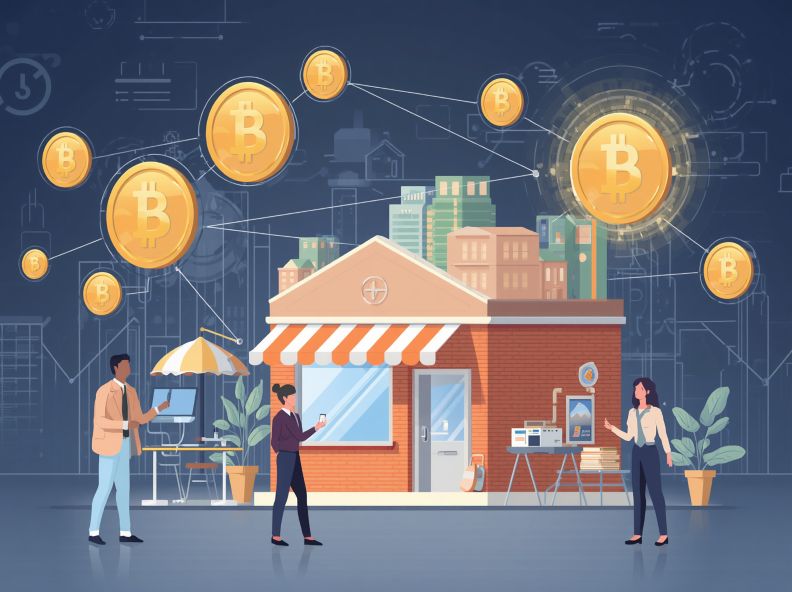
One emerging development is the growth of digital capital markets and business funding solutions built around tokenized real-world assets. Tokenization converts ownership rights in assets such as real estate, invoices, or equipment into digital tokens recorded on a blockchain. These tokens can be offered to investors, creating additional ways for businesses to raise capital beyond traditional lending.
Why Businesses Are Looking Beyond Banks
Traditional financing remains important, but it is not always accessible. Research from the Organisation for Economic Co-operation and Development (OECD) shows that SMEs often face higher borrowing costs and stricter lending requirements than larger companies. During periods of economic uncertainty, these challenges become even greater.
Alternative financing models are helping fill this gap by connecting businesses with a broader range of investors and funding opportunities.
How Tokenization Expands Funding Opportunities
Tokenization allows assets that are typically difficult to sell quickly to be divided into smaller digital shares. According to the World Economic Forum, this approach has the potential to unlock significant value from traditionally illiquid assets by making them easier to trade and invest in.
Digital capital markets also improve efficiency by using blockchain technology to streamline transactions and increase transparency. Reports from Deloitte suggest these systems can reduce administrative costs while expanding access to investment opportunities.
Benefits and Risks
Tokenized funding models offer several potential advantages:
- Access to a wider pool of investors.
- Greater liquidity through fractional ownership.
- Lower transaction and administrative costs.
- More flexible funding options for growing businesses.
However, businesses should also consider the risks. The Financial Stability Board notes that digital asset markets require strong governance, cybersecurity protections, and clear regulatory oversight. Companies should carefully evaluate legal compliance, platform security, and investor protections before pursuing tokenized financing.
The Future of Business Finance
Tokenized assets are expanding the financing landscape rather than replacing traditional lending. Findings from McKinsey & Company indicate that businesses increasingly combine bank financing with newer forms of capital to improve financial flexibility and diversify funding sources.
As blockchain technology matures and regulatory frameworks continue to evolve, tokenization is expected to play a larger role in digital capital markets. For startups and SMEs, understanding both the opportunities and risks of these innovations will be essential when evaluating future financing strategies.